Quick answer: on Mount Teide you climb above 3,500 metres very quickly, especially by cable car, and some people notice headaches, dizziness, nausea or tiredness. To prevent it: go up and walk slowly, drink water, avoid sudden exertion and go back down if symptoms appear or get worse. The national park advises people with heart, breathing or mobility problems against the high mountain trails.
This is general information and doesn’t replace medical advice. If you have a heart or lung condition, are pregnant or have any doubts, talk to your doctor before you go up.
Why altitude sickness happens on Mount Teide
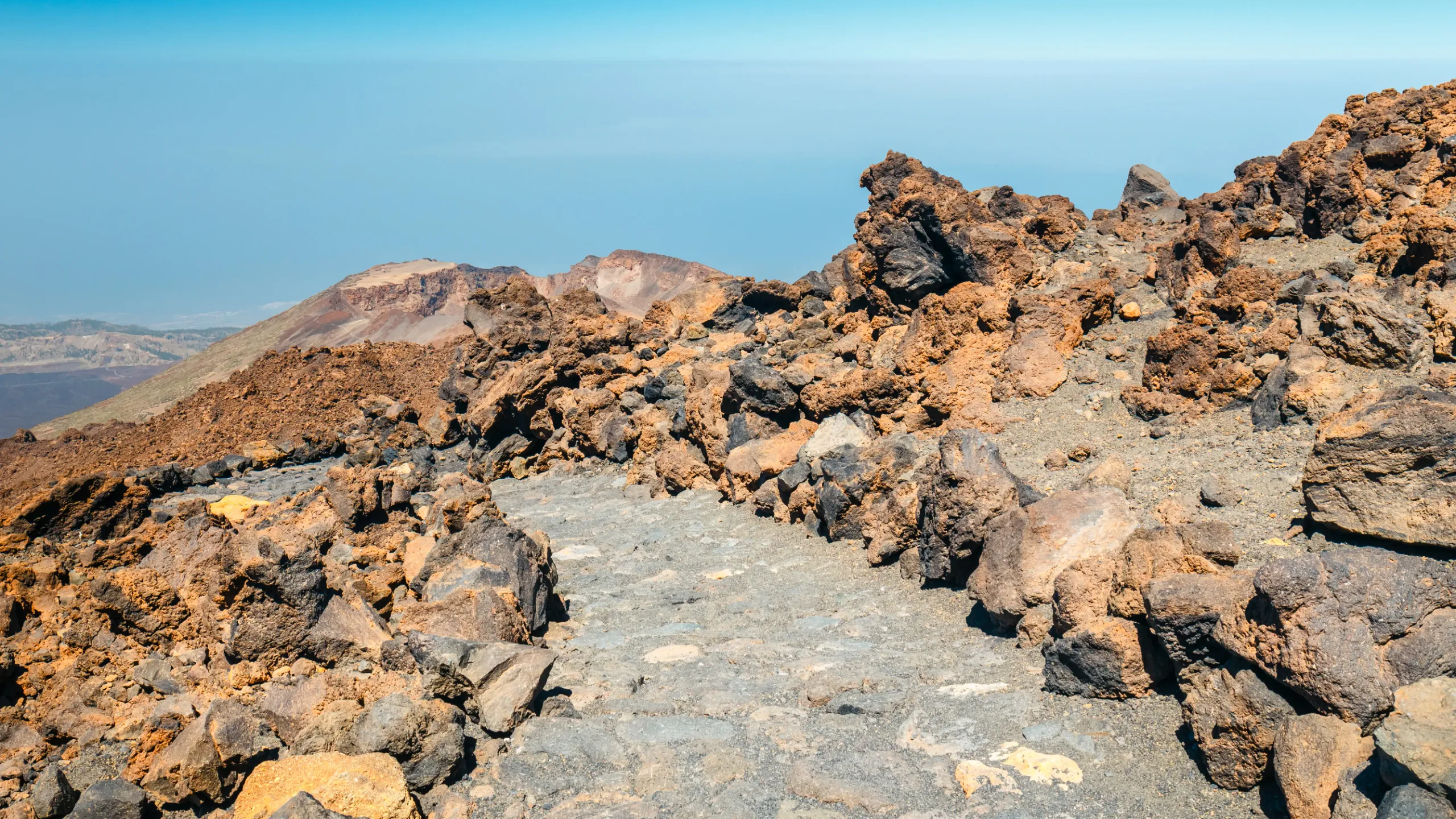
As you climb, air pressure drops and each breath gives you less oxygen. Your body needs time to adapt. On Teide the change is very abrupt: in a short time you go from the coast to the base station (2,356 m) and, after a few minutes in the cable car, to La Rambleta (3,555 m). The summit is at 3,715 m.
- Coast (sea level)≈100 %
- Las Cañadas · 2,000 m≈78 %
- Cable car base station · 2,356 m≈75 %
- La Rambleta · 3,555 m≈64 %
- Teide summit · 3,715 m≈63 %
Most common symptoms
- Headache.
- Dizziness or feeling unsteady.
- Nausea or loss of appetite.
- Unusual tiredness and breathlessness with little effort.
- Trouble sleeping if you stay overnight at altitude.
If you notice confusion, difficulty walking in a straight line, breathlessness at rest or a persistent cough, go down immediately and get help: these are serious warning signs. In an emergency call 112.
How to prevent altitude sickness
- Take it slowly. Walk at a pace that lets you talk without panting, and stop often.
- Acclimatise for a few minutes at La Rambleta before starting the summit trail.
- Drink water and bring some energy food.
- Avoid alcohol before and during the climb.
- Get a good night’s sleep beforehand.
- If you’re walking up, start early so you’re not rushing.
What to do if you feel unwell
The most effective step is to go down: a few hundred metres can make all the difference. Don’t keep climbing with symptoms; the summit can wait, and a permit isn’t worth a scare.
- If you went up by cable car: go back to the base station, at 2,356 m.
- If you’re on foot: turn back, and never alone.
- If there are serious warning signs: call 112.
Who should take extra care
- People with heart or breathing problems: the park advises against the high mountain trails.
- Pregnant women and people with chronic illnesses: check with your doctor first.
- Babies and young children: they can’t always say they feel unwell. Children under 3 can’t walk the Telesforo Bravo trail.
Get your clothing right too: cold makes feeling unwell worse. See what to wear on Mount Teide.
Frequently asked questions
Will I feel altitude sickness on the Teide cable car?
Some people notice a mild headache or dizziness at La Rambleta because of the quick ascent. Moving slowly helps.
Is it dangerous to go up Mount Teide?
For most healthy people, no, if you follow the rules and take it slowly. It’s a high mountain environment and needs to be taken seriously.
Can I go up while pregnant?
Talk to your doctor. Depending on your situation, the altitude and effort may not be advisable.
Sources: Tenerife ON (PNT 10 trail conditions and safety advice), Volcano Teide (altitudes); pressure calculated with the International Standard Atmosphere (ISA). Last reviewed: 16 November 2026.